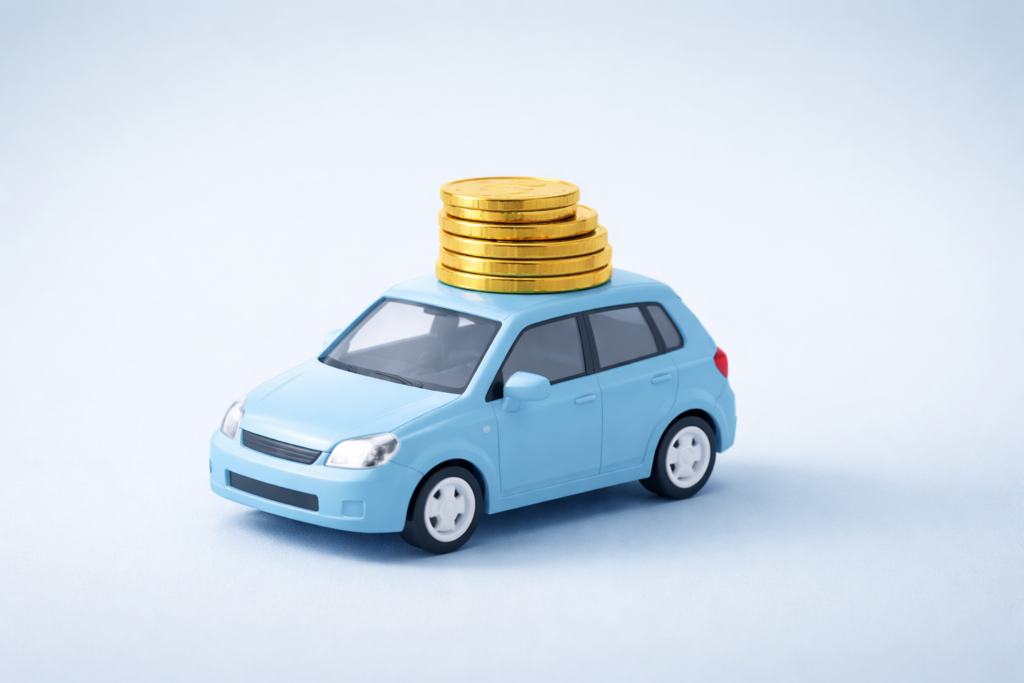
You can get out of an upside-down loan in a few ways. One way is tokeep the car and payextra each month to reduce what you owe faster. Another way is to sell the car privately, which usually gets more money than trading it at a dealership.
You can also trade in the car carefully, but be careful not to start another upside-down loan. If paying or trading is too hard, you could return the car to the lender, though you might still owe some money. Finally, you can talk to your lender for help, like lower payments or other options.
Why Loans Become Upside-Down
Sometimes, you owe more on your car than it is worth. This usually happens for three reasons. First, a low down payment means you start with a big loan. Second, long loan terms make it harder to pay off the loan quickly. Third, cars lose value fast in the first few years, so the car may be worth less than you owe.
Key points:
- Low down payment increases loan balance
- Long loan terms slow down repayment
- Car depreciation lowers value quickly
- Can make selling or trading difficult
Example: Buying a car with only $500 down can leave you owing more than the car’s value in a few months.
Keep the Car and Pay Down the Loan
You can stay with your car and pay extra money each month. This lowers the loan faster and reduces negative equity. You can also refinance to get a lower interest rate, which makes payments smaller.
Key points:
- Make extra monthly payments
- Focus on reducing the principal
- Refinance to lower interest
- Use a budget to free extra money
Example: Paying $50 extra each month can lower your balance faster.
Sell the Car Privately
Selling your car to a private buyer usually gets more money than trading it in. This can help pay off the loan and sometimes cover the negative equity.
Key points:
- Private sales often get higher prices
- Helps pay off the loan faster
- Can cover negative equity
- Avoid dealership trade-in losses
Example: Selling a car for $13,000 privately instead of $12,000 at a dealership.
Trade-In with Caution
You can trade in your car, but dealers may roll the remaining loan into a new car loan. This can start another upside-down loan if you are not careful.
Key points:
- Negative equity can transfer to new loan
- Check total cost before trading
- Can help get a new car quickly
- Risk of being upside-down again
Example: Owe $3,000 on your old car; dealer adds it to a $20,000 new car loan.
Voluntary Repossession
If paying is impossible, you can return the car to the lender. You still might owe the difference between the loan and the car’s value. This can also affect your credit.
Key points:
- Return car to lender if you cannot pay
- Might still owe money
- Can hurt your credit score
- Consider as a last resort
Example: Giving the car back to the lender after missing payments for three months.
Negotiate With Your Lender
Talk to your lender if you are struggling. They may offer lower monthly payments, extend the loan, or give other options to reduce stress.
Key points:
- Ask for hardship programs
- Request lower monthly payments
- Consider loan adjustments
- Communication can prevent bigger problems
Example: Asking the lender to reduce monthly payments from $400 to $300 temporarily
Tips to Avoid Upside-Down Loans in the Future
- Make a larger down payment – start with a smaller loan.
- Finance for a shorter period – pay off the car faster.
- Consider gap insurance – covers the difference if your car is totaled.
- Buy cars that hold value well – avoid cars that lose value quickly.
- Example: Choose cars with slow depreciation, like some SUVs.
Conclusion
To get out of an upside-down car loan, you have a few main options. You can pay extra on your loan to reduce what you owe faster, sell the car privately to get more money than a dealership would, trade the car carefully without adding more debt, or talk to your lender to negotiate lower payments or other options. It is important to take action quicklybecause the sooner you act, the easier it is to lower or avoid negative equity. So, think about your situation and ask yourself: which option fits you best?
FAQS
1. Can I refinance my car to get out of an upside-down loan?
Yes. Refinancing can lower your interest rate and monthly payments. You may still need to cover the negative balance.
2. Should I trade in or sell privately?
Selling privately usually gets more money. Trading in is easier but can leave you owing more
3. What happens if I default on my loan?
The lender can take your car, and you may still owe money. It can also hurt your credit score.
4. Can gap insurance help me?
Yes. Gap insurance covers the difference if your car is totaled and you owe more than its value.
5. How fast can I pay down the loan?
It depends on how much extra money you can pay each month. Even small extra payments help reduce the balance faster.
6. Can I roll my negative equity into a new car loan?
Yes, but be careful. This can start another upside-down loan if the new car loan is large.
7. Is voluntary repossession a good idea?
Only as a last resort. It stops monthly payments but can damage your credit, and you may still owe money.
8. How can I prevent an upside-down loan in the future?
Make a larger down payment, finance for a shorter term, buy cars that hold value well, and consider gap insurance.