
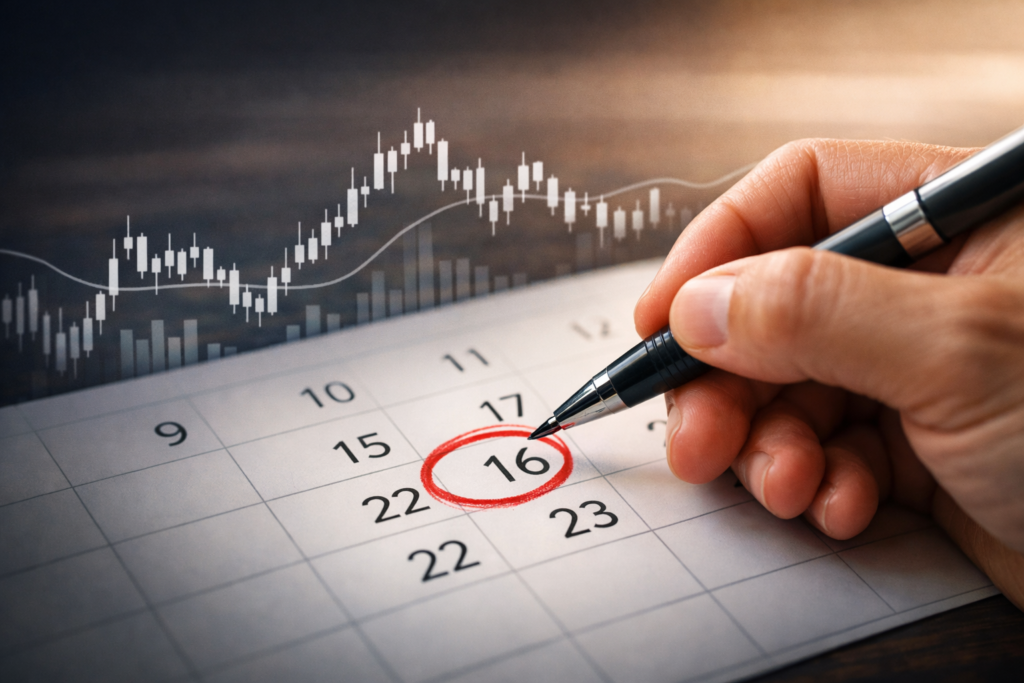
Have you ever checked the stock market and wondered why it isn’t open every single day?
Trading days are the answer. These are the days when the stock market is open, and investors can trade stocks, bonds, and other financial products. The market closes on weekends and some public holidays, so not every day of the year is a trading day. Knowing how many trading days there are in a year is important if you want to plan your investments, track your progress, and make smarter decisions. By understanding trading days, you can avoid surprises and make the most of your time in the market.
What Are Trading Days?
Trading days are the days when the stock market is open, and investors can buy or sell stocks, bonds, or other financial products. These days are important because they are the only days when market activity happens.
Key Points:
- Definition of Trading Days: These are the days when the stock market is open, and trading happens actively. No trades can be made on days the market is closed.
- Weekends Are Off: The market is always closed on Saturdays and Sundays. This gives traders, investors, and exchange staff time to rest and prepare for the next week.
- Market Holidays: Certain public holidays also close the market. On these days, no trading occurs. These holidays help maintain a smooth market operation and give staff important breaks.
- Importance for Traders and Investors: Knowing trading days helps you plan when to buy or sell stocks. It also helps track profits or losses accurately.
- Consistency Matters: Trading days follow a regular schedule, which makes market planning and investment tracking easier.
Understanding trading days helps you avoid confusion about why the market may be closed and ensures you trade on the right days
How Many Trading Days Are There in a Year?
Stock markets are not open every day. Knowing the number of trading days helps you plan your investments and track the market properly.
Average Number of Trading Days
On average, there are about 252 trading days in a year. This number can change slightly depending on how weekends and holidays fall in a year. It gives traders and investors a good idea of how many days they can actually trade.
How It’s Calculated
The calculation is simple:
- Start with 365 days in a year.
- Subtract weekends (52 Saturdays + 52 Sundays = 104 days).
- Subtract public holidays when the market is closed (around 9 days on average).
- Result: 365 – 104 – 9 ≈ 252 trading days.
Key Points:
- Most years have around 252 trading days.
- The exact number can change depending on the calendar.
- Knowing this helps you plan trades and track your returns.
- Markets follow a regular schedule, so investors can predict trading days easily.
Why Knowing Trading Days Is Important
For Investors:
- Track investments and returns accurately.
- Know which days to check stock performance.
- Plan when to buy or sell to maximize profits.
For Traders:
- Plan trading strategies effectively.
- Avoid surprises from unexpected market closures.
- Decide which days to trade and which to wait.
For Financial Planning:
- Calculate daily profits and losses correctly.
- Make smart investment decisions.
- Set realistic goals based on market activity.
Key Benefits:
- Helps plan trades and investments better.
- Reduces confusion about market closures.
- Supports accurate tracking of financial performance.
Tips for Tracking Trading Days
- Use a calendar to mark weekends and public holidays when the market is closed.
- Check the official stock exchange website for accurate holiday schedules.
- Plan your buying or selling of stocks in advance.
- Keep track of trading days to avoid missing opportunities.
- Stay consistent in monitoring the market to track performance better.
Ask yourself: “Do I track the market every day or only sometimes?” to improve your habits.
Conclusion
Trading days are the days when stock markets are open for buying and selling stocks, bonds, and other financial products. On average, there are about 252 trading days in a year. Knowing this helps you plan your trades, track your investments, and make smarter financial decisions. It also prevents confusion about market closures and missed opportunities. Check your market calendar today and see how many trading days are left this year so you can plan your next trade or investment wisely!
FAQs
How can I remember all trading holidays?
You can keep a yearly market calendar or subscribe to alerts from the stock exchange.
Do trading hours matter on trading days?
Yes. Markets are open only during set hours, so you must trade within those times.
Are half-days counted as trading days?
Yes. Even if the market closes early, it is considered a trading day.
Do trading days affect investment profits?
Yes. You can only buy or sell on trading days, so planning around them can affect returns.
Can beginners track trading days easily?
Yes. Using a calendar and checking the official stock exchange website makes it simple.
Are weekends ever trading days?
No. Markets are always closed on Saturdays and Sundays.
Why does the number of trading days change slightly every year?
It changes because holidays may fall on weekends or weekdays, and the calendar shifts each year.
Do all stock markets have the same trading days?
No. Different countries have different holidays, so trading days may vary between markets.