
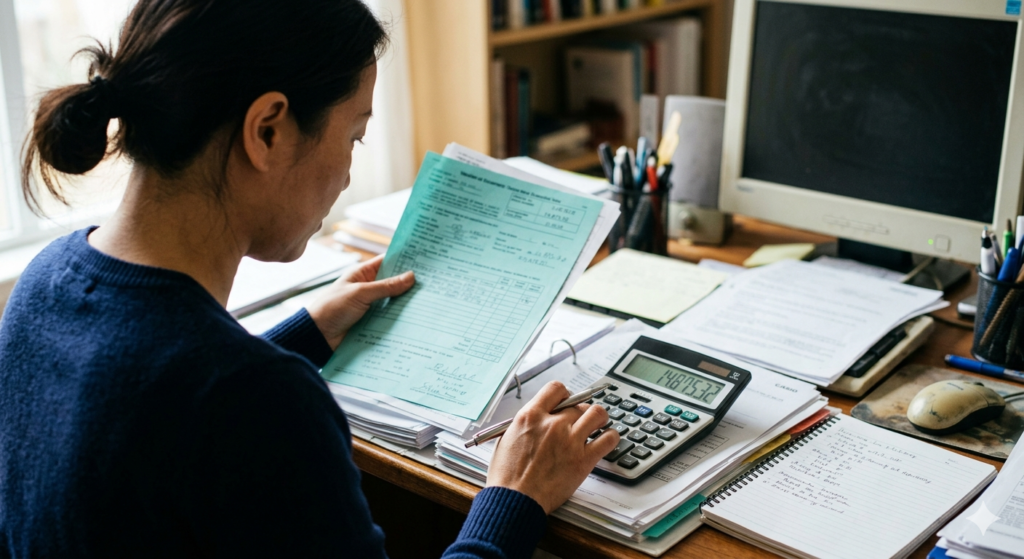
Bookkeeping means keeping a clear record of all the money your business earns and spends. It helps you see where your money is going in a simple and organized way.
For small business owners, bookkeeping is very important. It helps you understand your real profit. It also helps you control costs and avoid money mistakes.
Many business owners feel confused when they do not track their money properly. Small expenses get missed. Sales get mixed up. In the end, it becomes hard to know if the business is really growing or not.
This article will make bookkeeping easy for you. You will learn simple and practical tips that you can start using right away. No stress. No confusion. Just clear and easy steps to manage your business money better.
pargraph mein lehko or phir keypoints do
What Is Bookkeeping?
Bookkeeping means recording all the money that comes into your business and all the money that goes out. It is a simple way to track every sale, expense, and payment in an organized form. When you do bookkeeping, you always know how your business is moving financially.
It helps you stay clear about your money situation without confusion. You can easily see where you are earning and where you are spending. It is like keeping a “money diary” for your business that you update regularly.
Key Points:
- Bookkeeping means recording money in and money out
- It shows your profit and loss in a clear way
- It works like a simple money diary for your business
- It helps you stay organized and avoid confusion
Tip:
- Keep bookkeeping daily, not monthly. Daily updates make it easy and reduce mistakes.
Why Good Bookkeeping Matters
Good bookkeeping is very important for every small business. It helps you stay in control of your money and understand how your business is doing. When you keep records properly, you avoid confusion and make better decisions. It also saves you from stress during financial work like taxes and planning.
Key Points:
- Helps you avoid money mistakes
- Shows real business profit clearly
- Makes tax time easier and less stressful
- Helps you make better business decisions
Example:
A bakery owner who tracks every cake sale knows which item sells best. This helps the owner focus more on popular products and increase profit.
Best Bookkeeping Tips for Small Business Owners
Keep Business and Personal Money Separate
Keep your business money and personal money in different accounts. Use a separate bank account only for business use. Do not mix personal shopping with business spending. This keeps your records clear and easy to understand. It also makes bookkeeping simple and fast.
Key Points:
- Use a separate business bank account
- Do not mix personal and business money
- Keeps records clean and simple
- Makes tracking easy and fast
Tip:
Use one bank account only for business. This keeps everything clean and organized.
Record Every Transaction
Write down every sale and every expense in your record. Do it daily or weekly without skipping days. Even small payments matter for your business. This helps you see your real income and spending. It also reduces mistakes in your records.
Key Points:
- Record all sales and expenses
- Do it daily or weekly
- Include small transactions too
- Helps avoid mistakes in records
Example:
Even small expenses like tea, snacks, or stationery should be written down. This shows your real business cost clearly.
Use Simple Bookkeeping Tools
Use easy tools like mobile apps or spreadsheets. Pick tools that are simple and easy to understand. Do not start with complex software at the beginning. Simple tools make learning bookkeeping easier. You can upgrade later when you feel ready.
Key Points:
- Use simple apps or spreadsheets
- Choose easy and user-friendly tools
- Avoid complex software at start
- Upgrade later when business grows
Tip:
Start with simple tools first. Move to advanced tools later when your business grows.
Track Expenses Carefully
Write all your business expenses in one place. Include rent, bills, supplies, and transport costs. This helps you see where your money is going. It also helps you control unnecessary spending. Clear tracking improves your profit planning.
Key Points:
- Track all business expenses
- Include rent, bills, transport, supplies
- Helps control spending
- Improves profit planning
Example:
A shop owner tracks electricity bills and delivery costs to understand monthly spending clearly.
Review Your Records Weekly
Check your income and expenses every week. This helps you catch mistakes early. It also keeps your records up to date. Weekly review gives you a clear view of your business. It helps you stay financially organized.
Key Points:
- Review records every week
- Fix mistakes early
- Keep records updated
- Understand business performance
Question:
Are you checking your records every week?
Save Receipts and Bills
Keep all receipts and bills safe in one place. You can use folders or digital storage. This helps you find proof of expenses easily. It also keeps your bookkeeping accurate. Good storage avoids confusion later.
Key Points:
- Save all receipts and bills
- Use folders or digital storage
- Helps in proof of expenses
- Avoids confusion later
Tip:
Take photos of receipts so you never lose important records.
Plan for Taxes Early
Set aside money for taxes from the start. Do not wait until tax time. Saving small amounts regularly helps a lot. This reduces stress later. It also keeps your business financially safe.
Key Points:
- Set aside money for taxes early
- Do not wait for last moment
- Save small amounts regularly
- Reduces financial stress
Tip:
Save a small percentage of your income every week for taxes.
Common Bookkeeping Mistakes to Avoid
- Ignoring small expenses can slowly create big errors and affect your real profit
- Mixing personal and business money can make your records confusing and unclear
- Not updating records regularly can lead to missing data and wrong totals
- Losing receipts can create problems in tracking and proving expenses
Example:
A small mistake in daily records can grow and turn into a big loss later if not fixed early
Tools for Bookkeeping
- Excel or Google Sheets help you track income and expenses in an easy way
- Basic bookkeeping apps make recording fast and simple on mobile or computer
- Manual notebook system works well for very small businesses with simple needs
Conclusion
Bookkeeping is simple when you do it every day. It becomes easy with regular practice and a clear system. You do not need complex methods to manage your money. Just small and steady actions make a big difference.
It helps you control your money better and grow your business in a healthy way. You always know where your money is going. This builds strong financial control. It also reduces mistakes and stress in business life.
Small habits create big results over time. Daily recording and simple tracking can improve your whole business system.
Final Message:
Start small today. Even one simple step can improve your business records and make your future easier.
FAQS
Do I need accounting skills for bookkeeping?
No. You do not need accounting skills. Basic writing and simple tracking is enough to start bookkeeping easily.
How often should I update records?
Daily updates are best. If not possible, then weekly updates are the minimum for keeping records accurate.
Can I do bookkeeping myself?
Yes. Small business owners can easily do bookkeeping on their own with simple tools and regular practice.
What is the easiest bookkeeping method?
A simple spreadsheet or a notebook system is the easiest way to start bookkeeping for beginners.
Why do small businesses fail in bookkeeping?
Most fail because they do not update records regularly and ignore small daily transactions.
Can bookkeeping help my business grow?
Yes. It helps you understand profit, control expenses, and make better financial decisions for growth.
What happens if I do not do bookkeeping?
Without bookkeeping, you can lose track of money, make mistakes, and struggle to understand your real profit.
What should I record in bookkeeping?
You should record all sales, expenses, payments, and any money coming in or going out of your business.