
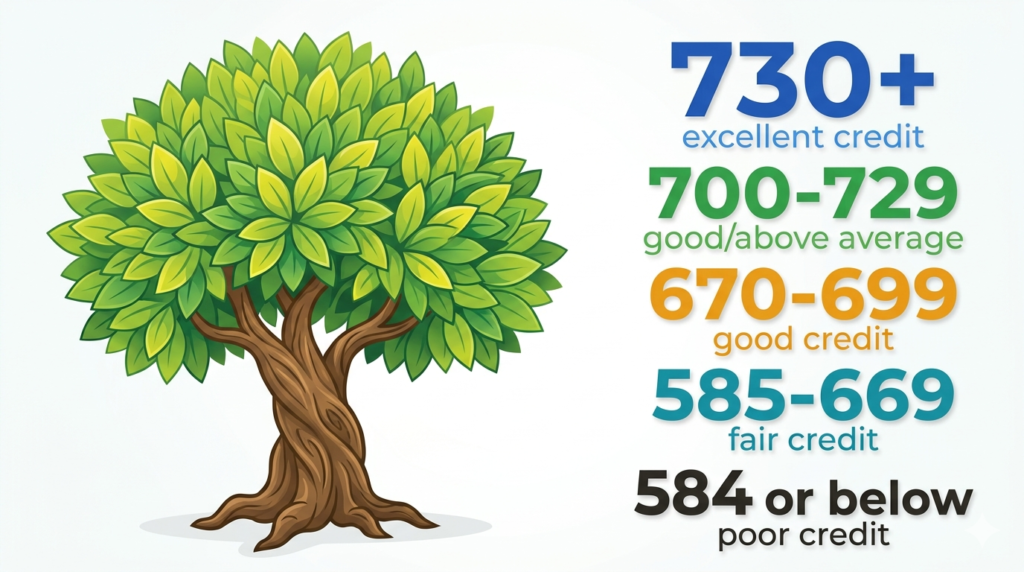
Do you want a 100-point credit score increase? It sounds big, right? But it is not impossible. Many people reach it step by step with simple money habits.A credit score is a small number with a big role. It shows how you handle money. It tells banks if you pay loans on time, use credit cards wisely, and manage debt in a safe way.
Think of it like a “money report card.” A good score helps you get loans, credit cards, and better financial offers. A low score makes these things harder.People often want fast results. They want their score to jump quickly in a few weeks. But the truth is simple. Credit score improvement is not the same for everyone. It depends on your current score, your past mistakes, and your daily money habits.
Some people see fast change in a few months. Others need more time to rebuild trust with lenders. Small actions can slowly push your score up.
How fast can it really change, and what can YOU do to make it faster?
What Is a Credit Score?
A credit score is a number that shows how you handle money. It reflects your money behavior, like paying bills on time, using credit cards, and managing debt. Banks and lenders use this number to decide how safe you are with borrowing money. A good score makes money tasks easier, while a low score makes them harder.
Key Points
- It is a simple number
- It shows your money behavior
- It helps in getting loans
- It helps in getting credit cards
- It helps when renting a home
Example
- High credit score: You get loan approval easily and may get better interest rates
- Low credit score: You may face rejection or higher interest rates
Can You Improve Credit Score by 100 Points?
Yes, it is possible to improve your credit score by 100 points. It does not happen by luck. It happens when you make small and smart money changes. Even simple habits can slowly build a strong score over time.Your credit score changes based on how you manage money every day. Some actions help it grow. Some actions slow it down.
What Affects Your Credit Score
- Payment history (paying bills on time)
- Credit card usage (how much credit you use)
- Debt amount (how much money you owe)
- Credit age (how old your credit history is)
Example
If a person starts paying bills on time and reduces credit card usage, their score can slowly improve over a few months.
Quick Question: Do you know your current credit score?
How Long It Takes
Credit score improvement is slow. It grows with time and good habits. Every person gets different results.
Fast Improvement (1–3 Months)
Small fixes can show quick results in a short time. This happens when your credit is already in fair shape. Good habits start working fast.
Key Points:
- Pay bills on time
- Reduce credit card usage
- Fix small spending habits
- Keep accounts active
Medium Improvement (3–6 Months)
This stage shows steady and clear growth. It happens when you fix debt and stay consistent. Most people see changes here.
Key Points:
- Pay down credit card debt
- Fix credit report errors
- Avoid new loans
- Make on-time payments
Slow Improvement (6–12 Months or More)
This takes longer because past mistakes slow progress. Old issues need time to heal. Patience is very important here.
Key Points:
- Missed payments in history
- High debt level
- Old negative credit record
- Frequent credit applications
Easy Ways to Improve Credit Score Faster
Improving your credit score is not hard. It needs simple habits and daily discipline. Small changes can slowly build a strong credit score over time.
Pay Bills on Time
Paying bills on time is the strongest factor for your credit score. Every on-time payment builds trust with lenders. Late payments can quickly damage your score and slow progress.
Key Points:
- Pay every bill before due date
- Set reminders for payments
- Never skip monthly payments
Lower Credit Card Use
Credit card usage plays a big role in your score. High usage shows risk to lenders. Low usage shows you manage money well and stay in control.
Key Points:
- Keep usage below 30%
- Pay extra whenever possible
- Avoid maxing out your card
Do Not Take New Debt
New debt can slow your credit improvement. Each new loan or card adds pressure on your finances. It also creates more checks on your credit report.
Key Points:
- Avoid new loans for some time
- Do not open many credit accounts
- Keep your credit profile stable
Check Credit Report
Credit reports sometimes have mistakes. These mistakes can lower your score without reason. Checking your report helps you find and fix these issues early.
Key Points:
- Review your credit report often
- Look for wrong or missing details
- Report errors to correct them
Keep Old Accounts Open
Old accounts help build a long credit history. A longer history makes your profile stronger. Closing old accounts can reduce your credit age and hurt your score.
Key Points:
- Keep old accounts active
- Do not close old credit cards
- Longer credit history helps score growth
Real-Life Example
Credit score change depends on habits. Small good actions can give fast results, while bad habits slow progress.
Person A pays bills on time and reduces debt. This builds trust with banks. Their credit score can increase by around 100 points in a few months because their money behavior improves quickly.
Person B misses payments and does not control spending. This creates risk in their credit profile. Their score improves very slowly or may even drop because lenders see them as less reliable.
Common Mistakes People Make
- Missing or late payments
- Using too much credit limit
- Closing old credit accounts
- Applying for many loans or cards
Tips to Stay on Track
- Set reminders for bill payments
- Track spending every week
- Keep credit usage low
- Stay consistent every month
Conclusion
Improving your credit score by 100 points is possible. It does not happen in one day. It takes time and steady good habits. Small steps like paying bills on time and lowering debt can slowly build a strong score.
Most people see a 100-point increase in about 3 to 12 months. Some see faster results, and some need more time. It depends on your past credit history and your daily money habits.
Good habits always make the difference. If you stay consistent, your credit score will improve step by step.
So now ask yourself: Are you ready to start improving your credit today?
FAQS
Can I improve my credit score in one month?
Small improvement is possible in one month. But a 100-point increase usually takes more time. It depends on your money habits and credit history.
Does paying debt help fast?
Yes, paying debt can help quickly. It lowers your credit usage and improves your score step by step.
Will checking my score lower it?
No, checking your own credit score does not lower it. It is safe to check anytime.
Is a 100-point increase easy?
Yes, it is possible. But it needs good habits like on-time payments and low credit use.
What is the fastest way to improve credit score?
The fastest way is to pay bills on time and reduce credit card debt.
Does closing a credit card help my score?
No, closing a card can sometimes hurt your score. It reduces your credit history and limit.
How often should I check my credit report?
You should check it at least once every few months. It helps you find mistakes early.
Can old mistakes be fixed?
Yes, old mistakes improve over time with good habits and regular payments.