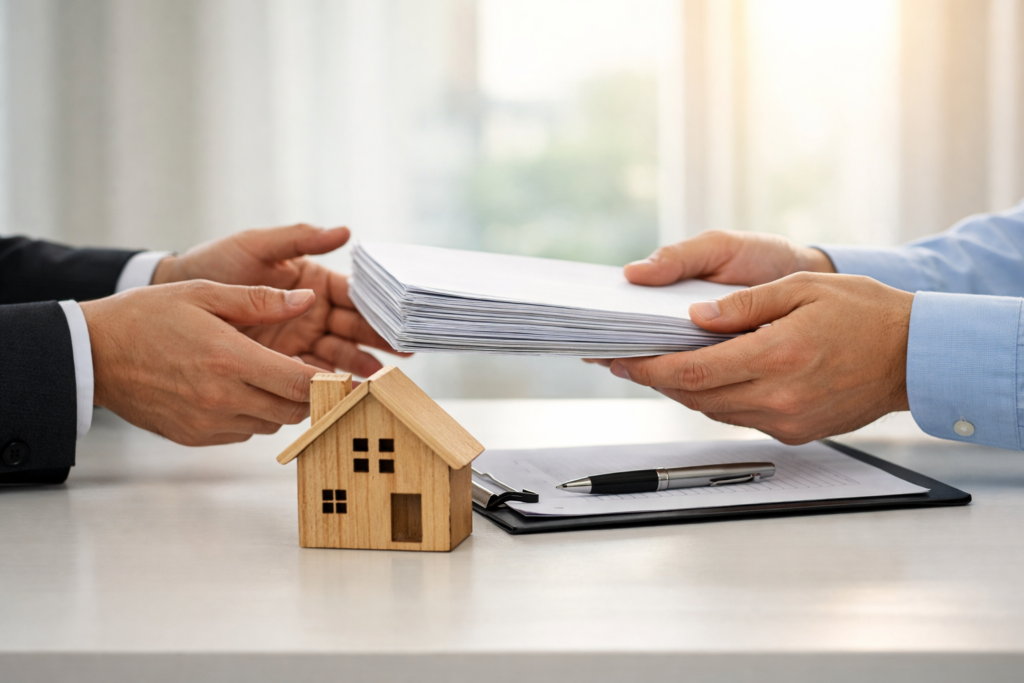
Buying a house in 2026 can feel very challenging. Home prices are high, interest rates are rising, and inflation makes everyday costs go up. Many people think owning a home is impossible today, but it is still possible with careful planning and smart choices. Small steps can make a big difference.
For example, Maya started saving just $50 each month. After three years, she reached her down payment goal and was able to buy her first home. In this blog, we will show how people afford houses today. We will cover ways to save money, use government programs, choose the right mortgage, earn extra income, and make smart decisions to reach homeownership.
Creative Financing Options
Some buyers use creative ways to buy a house when paying a full down payment or mortgage upfront is hard. The main options are Rent-to-Own, Seller Financing, and Shared Ownership.
1. Rent-to-Own
Many people choose rent-to-own when they want to move into a house immediately but need time to save for full ownership. In this plan, you rent the house, and a part of your rent goes toward the eventual purchase. It helps buyers gradually save while living in the home.
Key Points:
- Rent first, buy later.
- Part of rent counts toward purchase.
Pros:
- Move in right away.
- Save gradually for the home.
Cons:
- Extra money may be lost if you decide not to buy.
- Rent is higher than normal.
Example:
Liam rented a small house for $800 per month. $100 of that went toward the home’s purchase. After two years, he had enough saved to buy the house fully.
2. Seller Financing
Seller financing is when the person selling the house acts like a bank and lets you pay them directly over time. This method can be faster than applying for a traditional mortgage and is useful for buyers who may not qualify for a bank loan.
Key Points:
- Seller acts as the lender.
- You pay installments directly to the seller.
Pros:
- Easier approval than bank loans.
- Faster process, less paperwork.
Cons:
- Interest rates can be higher than bank loans.
- You must trust the seller to follow the agreement.
Example:
Emma bought her home using seller financing. She paid monthly for five years with slightly higher interest but avoided a bank loan completely.
3. Shared Ownership
Shared ownership allows buyers to purchase part of a house while renting the rest. Over time, they can gradually buy more of the property. This option lowers the upfront cost and makes homeownership possible for people with limited savings.
Key Points:
- Buy part of the house, rent the rest.
- Gradually increase ownership.
Pros:
- Lower initial cost.
- Makes homeownership possible sooner.
Cons:
- Don’t fully own the house at first.
- Rent payments are still required.
Example:
Noor bought 50% of a home and rented the remaining 50%. After saving more money for a few years, she purchased the remaining half and fully owned the house.
💡 Key Tip: Creative financing options are great for flexibility, but always read agreements carefully. They can help you start homeownership even if you don’t have a large down payment
Core Content
1. Save Money Regularly
Saving is the first and most important step to buying a home. Most people aim for 10–20% of the home price for a down payment. You can save by opening a savings account, putting aside extra from gifts or bonuses, and staying consistent every month. Even small amounts saved regularly can grow over time.
Key Points:
- Save 10–20% of the home price for a down payment.
- Open a dedicated savings account.
- Save extra money from bonuses or gifts.
- Stay consistent every month.
Example: Sara saved $100 each month. After two years, she had $2,400, enough to cover part of her down payment.
2. Use Government or Bank Programs
Many first-time buyer programs make buying a home easier. These include grants, low-interest loans, and tax benefits. Such programs reduce the initial cost and help you afford a home sooner. Always check local programs and ask your bank for guidance.
Key Points:
- Look for grants for first-time buyers.
- Check for low-interest loans.
- Use tax benefits if available.
- Ask your bank for local programs.
Example: Some programs cover up to $3,000 of your down payment, reducing the amount you need to save.
3. Choose the Right Mortgage
A mortgage is a loan you take to buy a house. Choosing the right mortgage helps you save money over time. Fixed-rate mortgages keep your payment the same every month. Adjustable-rate mortgages start lower but can increase later. Even a small difference in interest rates can make a big difference in your monthly budget.
Key Points:
- Fixed-rate mortgage: stable monthly payments.
- Adjustable-rate mortgage: lower start, may increase later.
- Compare banks and interest rates carefully.
Example: A 1% lower interest rate could save $80–$100 every month on your mortgage.
4. Pool Incomes or Get Help from Family
Combining incomes with a partner or family makes saving faster. Two incomes allow for bigger down payments or shorter loan periods. Families may also gift money or help with initial costs, making homeownership easier.
Key Points:
- Pool incomes with partner, spouse, or family.
- Bigger down payments are possible.
- Family can gift or help with costs.
Example: Ali and his sister combined their savings to buy a small apartment together.
5. Live Strategically Before Buying
Living smart before buying a house helps you save more. Renting in cheaper areas, living with family, or cutting unnecessary expenses can boost savings quickly.
Key Points:
- Rent in cheaper areas.
- Live with family temporarily.
- Reduce unnecessary spending.
Example: Fatima moved to a smaller apartment for a year. She saved an extra $1,500 for her future home.
6. Earn Extra Income
Extra income helps speed up the savings process. Part-time jobs, freelancing, or small side businesses can add money to your home fund.
Key Points:
- Take part-time jobs.
- Do online freelancing.
- Start small side businesses.
Example: Hassan started tutoring online and saved an extra $200 per month for his home fund.
7. Consider Location and Home Size
Where you buy and the size of the house affect affordability.Homes in developing neighborhoods or outside the city are often cheaper. Smaller homes also require smaller down payments.
Key Points:
- Consider suburbs or developing areas.
- Smaller homes cost less upfront.
- Compare locations for better prices.
Example: Buying a home 20 minutes outside the city saved a family $30,000 compared to the city center.
8. Creative Financing Options
Some buyers use flexible financing methods like rent-to-own, seller financing, or shared ownership. These options let you move in or start ownership sooner but may include extra costs or restrictions. Always read agreements carefully.
Key Points:
- Rent-to-own: part of rent counts toward purchase.
- Seller financing: seller acts as the bank for payments.
- Shared ownership: buy part of the home, rent the rest.
- Read all agreements carefully.
Example: Using a rent-to-own plan, Liam paid $100 of his $800 monthly rent toward buying the house. After two years, he had saved enough to buy it fully.
Tips and Tricks
Buying a house can feel hard, but simple actions make it easier. Small habits, careful planning, and smart choices can save you money and help you reach your goal faster. By following these tips, you can stay on track and make homeownership possible even with a tight budget.
Key Points:
- Start Saving Early: Even small weekly or monthly savings add up over time.
- Track All Expenses: Know where your money goes to cut unnecessary spending.
- Use First-Time Buyer Programs: Grants, tax breaks, and low-interest loans can help.
- Increase Income with Side Work: Freelancing, part-time jobs, or small businesses boost savings.
- Compare Mortgages Carefully: Small differences in interest rates can save hundreds or thousands.
- Consider Cheaper Areas or Smaller Homes: Buying slightly outside the city or choosing a smaller home can make it more affordable.
💡 Tip: Consistent planning, small savings, and smart decisions make a big difference in achieving your dream home.
Conclusion
Buying a house in 2026 may seem difficult, but it is possible with careful planning. By saving regularly, using government or bank programs, choosing the right mortgage, earning extra income, and making smart choices about location and home size, you can reach your goal step by step. Even small efforts today bring you closer to your dream home.
Which step will you take first to start saving for your home? 🏠
FAQs
Can I buy a home without a bank mortgage?
Yes, through creative financing options like rent-to-own, seller financing, or shared ownership.
What extra costs should I expect besides the down payment?
Closing costs, property taxes, insurance, and small repairs are common.
Can I start saving for a house with very little money?
Yes, even small weekly or monthly savings grow over time and get you closer to your goal.
How long does it take to save enough?
Usually 1–5 years depending on income, expenses, and savings habits.
Are creative financing options safe?
Yes, but read all agreements and rules carefully before signing.
Can I combine incomes with family?
Yes, pooling money with family or a partner is common and makes saving faster.
Is it better to buy in the city or outside?
Outside areas are usually cheaper, but consider commuting and convenience.
Can apps really help me save?
Yes, they help track your goals, monitor spending, and alert you when you reach milestones.